
Snore Lase
The Mechanism of Snoring
The Mechanism of Snoring
Snoring is the sound produced when the soft tissues of the upper airway vibrate during sleep. The main causes are narrowing or obstruction of the airway.
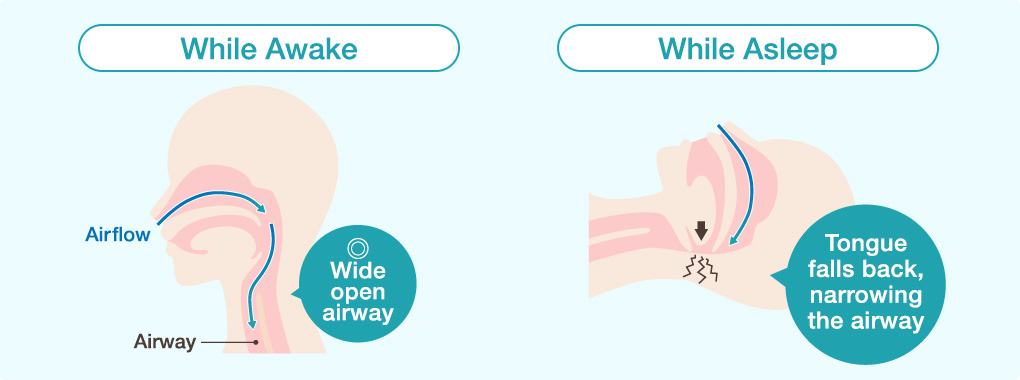
During sleep, the muscles relax, and the base of the tongue, soft palate, and pharyngeal walls fall backward, narrowing the airway. As air passes through this narrowed space, the surrounding soft tissues vibrate, producing snoring sounds.
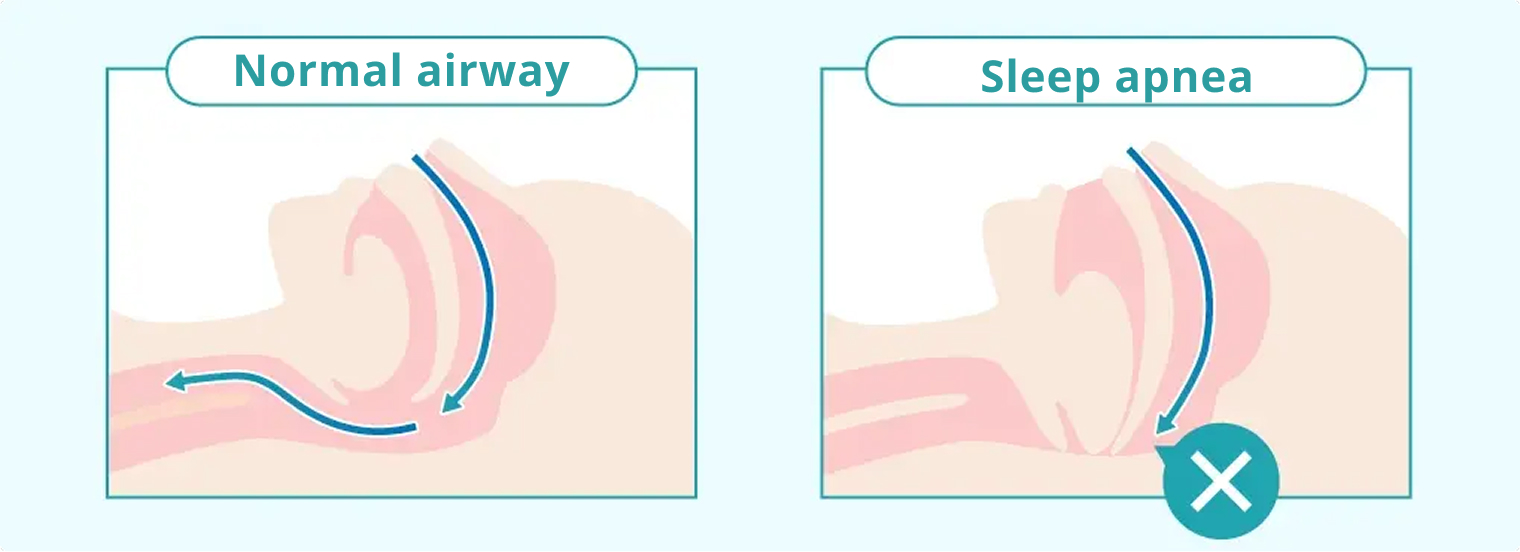
The severity and frequency of snoring varies with the degree of airway narrowing. In mild cases it is simply snoring, but in severe cases it can lead to sleep apnea syndrome.
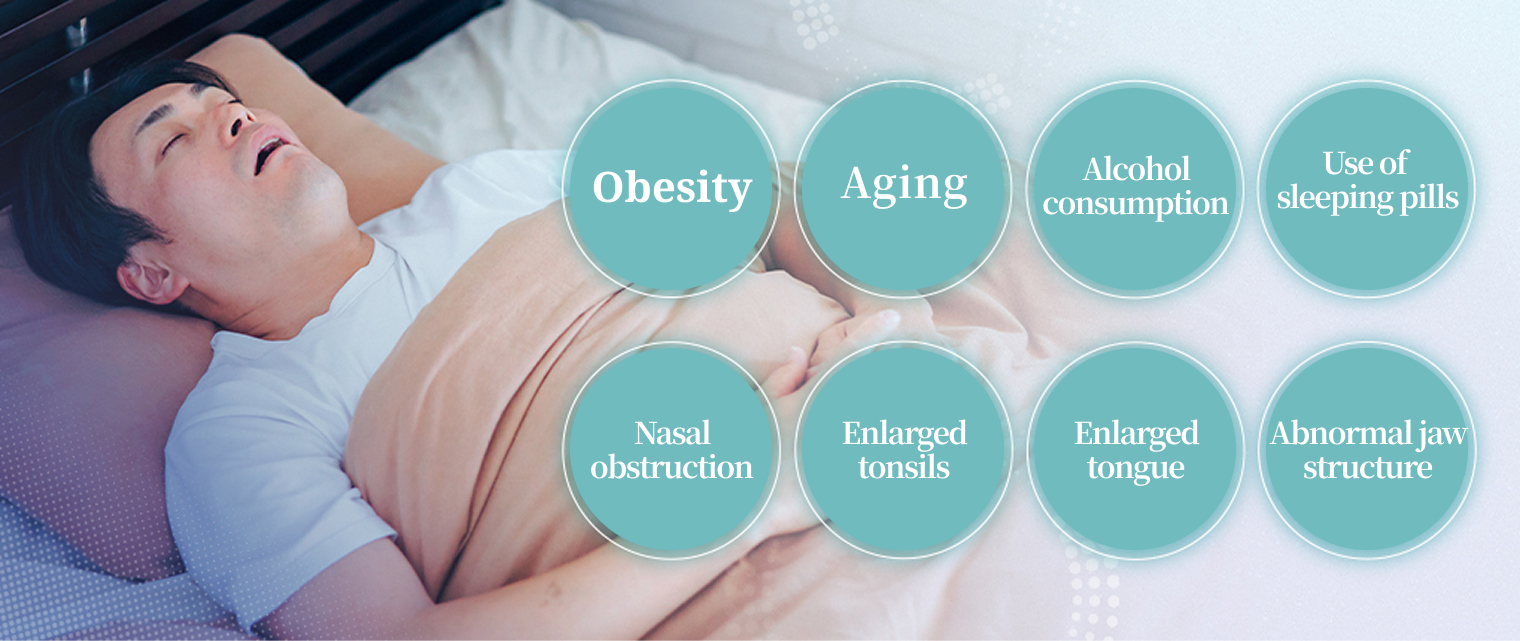
Factors contributing to snoring include obesity, aging, alcohol consumption, use of sleeping pills, nasal congestion, tonsillar hypertrophy, tongue enlargement, and jaw abnormalities.
Sleeping on one's back is particularly problematic, as gravity causes the base of the tongue to fall backward more easily, worsening snoring.
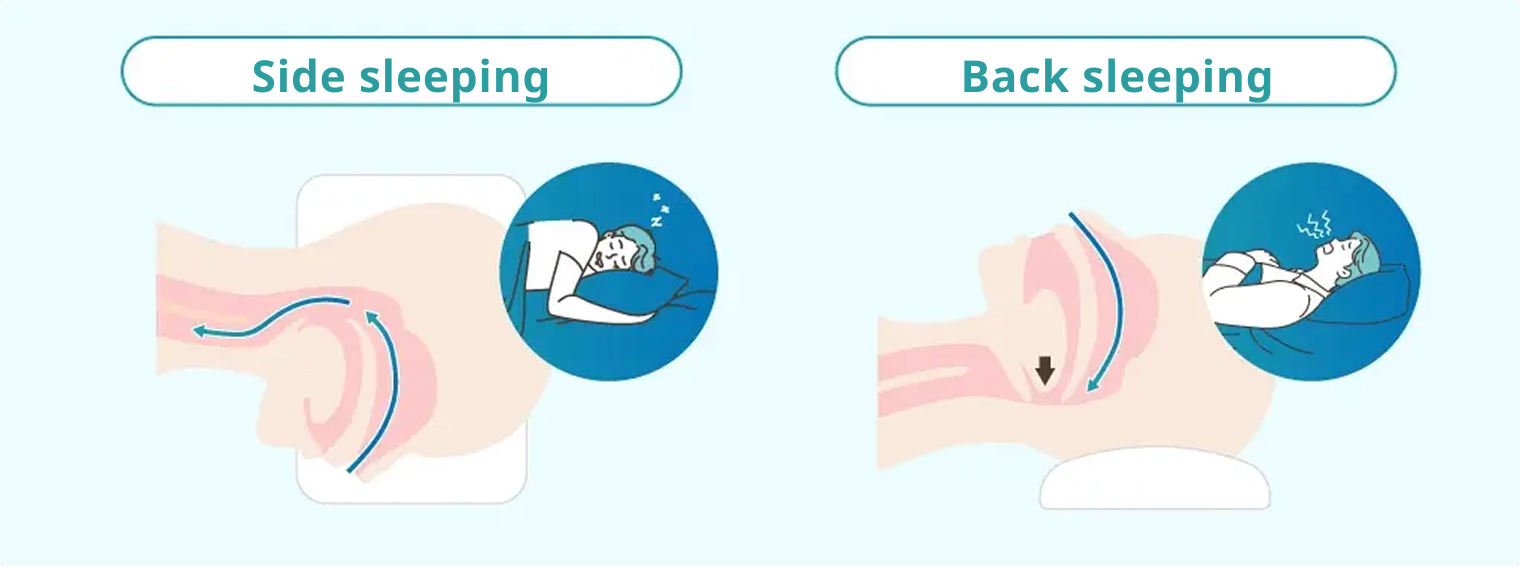
Addressing these factors is important for improving snoring. Lifestyle changes, weight management, and maintaining a proper sleep position are effective measures.
Snoring is a Sign of
Sleep Apnea Syndrome
Snoring is often an important warning sign of sleep apnea syndrome (SAS).
Not all snoring indicates SAS, but loud and irregular snoring warrants attention.
In SAS, breathing repeatedly stops or decreases during sleep. This occurs due to upper airway obstruction, which is also related to snoring.
Many SAS patients snore loudly, and a characteristic sign is a sudden loud gasp or snoring sound after a breathing pause.
The following snoring characteristics may suggest SAS:
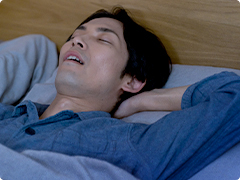 Loud, irregular snoring
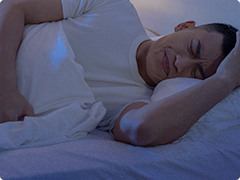 Breathing pauses
or gasping sounds Snoring with
excessive daytime sleepiness Snoring with
frequent nighttime awakenings
If you have these symptoms, it is important to consider the possibility of SAS and seek a diagnosis from a specialist. Early detection and appropriate treatment can reduce the risk of complications such as heart disease and hypertension, and improve quality of life.
Sleep Apnea Syndrome is More Common in Middle-aged Men
In Japan, approximately 60% of those who snore are middle-aged men, and an estimated 30–40% of them have sleep apnea syndrome.
Sleep apnea syndrome affects approximately 9% of men and 3% of women, and research shows that such individuals have about 2.4 times the risk of being involved in accidents due to sleep deprivation.
Many people go untreated, but we strongly recommend seeking early treatment before a serious accident such as a traffic accident occurs.
please feel free to consult us.
Health Risks of
Sleep Apnea Syndrome
SAS is not merely a sleep disorder — it is a condition that can have serious systemic effects. The main risks include:

- Hypertension
- Arrhythmia
- Myocardial infarction
- Stroke

- Diabetes
- Metabolic syndrome

- Depression
- Cognitive decline
- Memory impairment

- Increased risk of traffic accidents
- Reduced work efficiency
- Risk of workplace accidents

- Chronic fatigue
- Sexual dysfunction
- Impaired social functioning

- Liver dysfunction
- Weakened immune system
Our Non-surgical Snoring Laser Treatment
"Snore Lase"
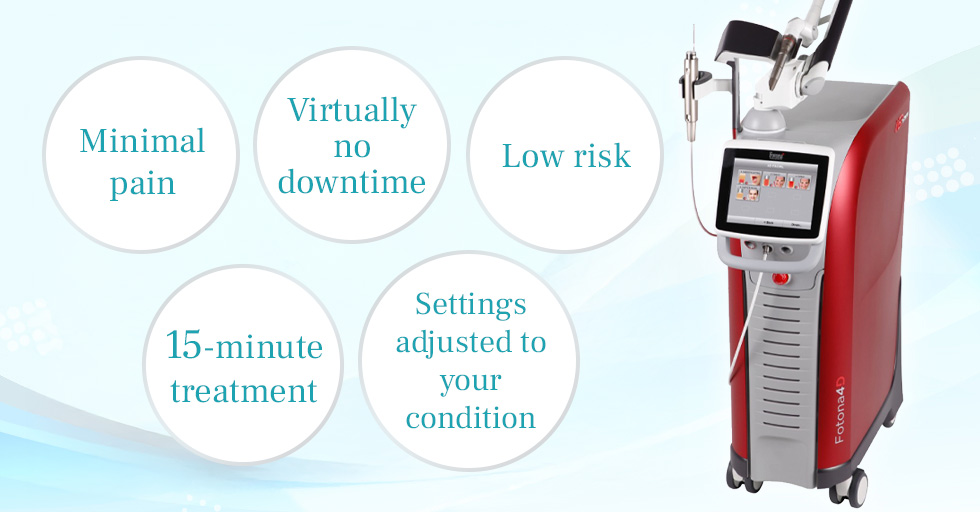
The non-surgical snoring laser treatment "Snore Lase" was developed as a non-invasive and effective method. The main advantages of Snore Lase treatment for snoring are as follows:
- Minimal pain (surface anesthesia applied)
- Same-day outpatient treatment with virtually no downtime
- Low risk of side effects
Unlike the insurance-covered uvulopalatopharyngoplasty (UPPP) or laser-assisted uvulopalatoplasty (LAUP), which involve removing the uvula and soft palate, Snore Lase treatment directs laser energy onto the soft palate and uvula — the sources of snoring — to heat the tissue without excision.
The device used is capable of laser irradiation with a protocol specifically designed for snoring treatment.
Our Snore Lase treatment is tailored to each individual patient, with irradiation settings adjusted to suit their specific condition.
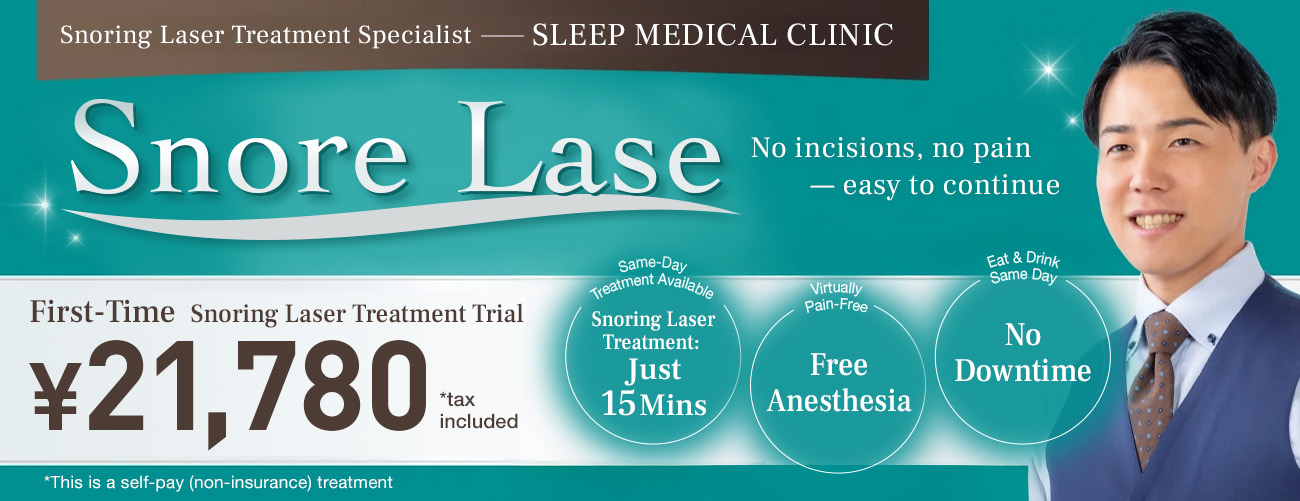
Snore Lase Laser Treatment
Procedure & Mechanism
of Action
-
STEP.01 Oral cavity cleansing

-
STEP.02 Anesthetic spray
applied to treatment area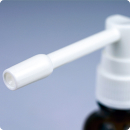
-
STEP.03 Laser irradiation
(approx. 15 min.)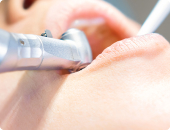 Collagen contraction
Soft tissue tightens, widening the airway
New collagen productionImproved tissue elasticity
Submucosal tissue hardeningVibration is suppressed
-
STEP.04 Return home
Through these mechanisms, the patency of the airway is improved and the vibration of soft tissue that causes snoring is reduced. Treatment is carried out in multiple sessions, with effects gradually appearing over time.
Compared to surgery, laser treatment is minimally invasive and highly safe, making it an appealing option for many patients.
However, whether Snore Lase treatment is appropriate will be determined by a qualified physician after examining the individual's symptoms and underlying causes. Please feel free to consult our clinic first.

For First-Time Bookings Only | Same-Day Appointments Available